


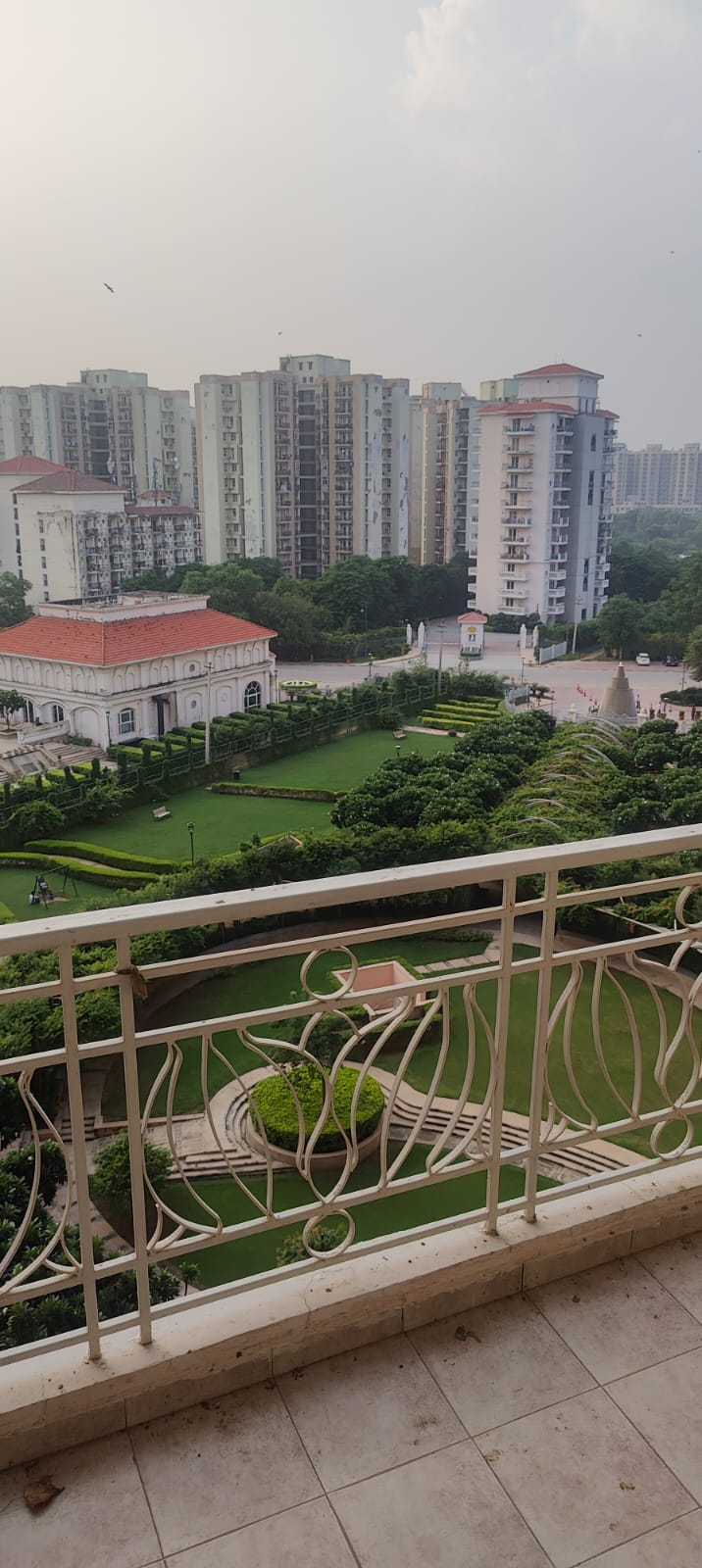
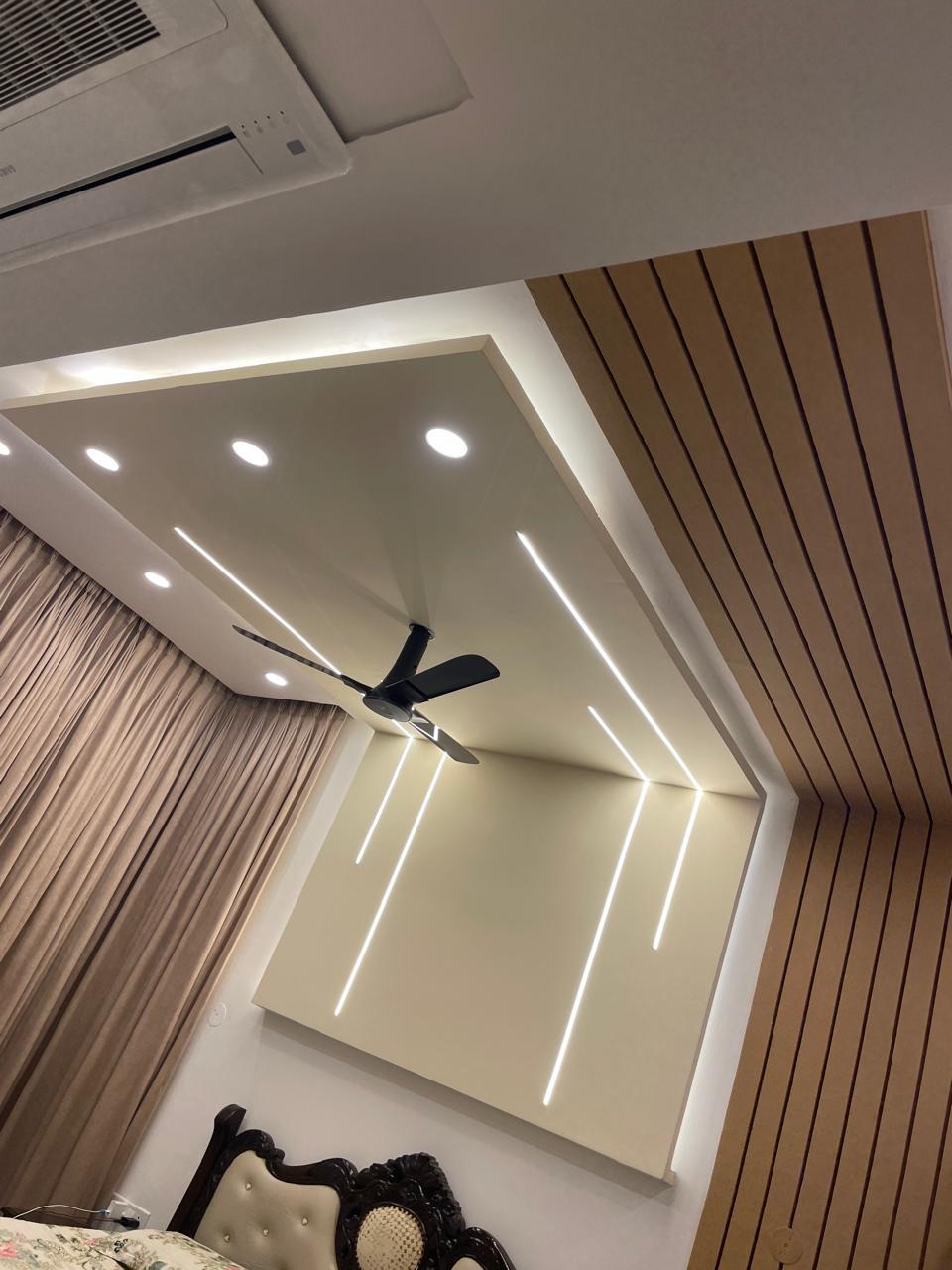
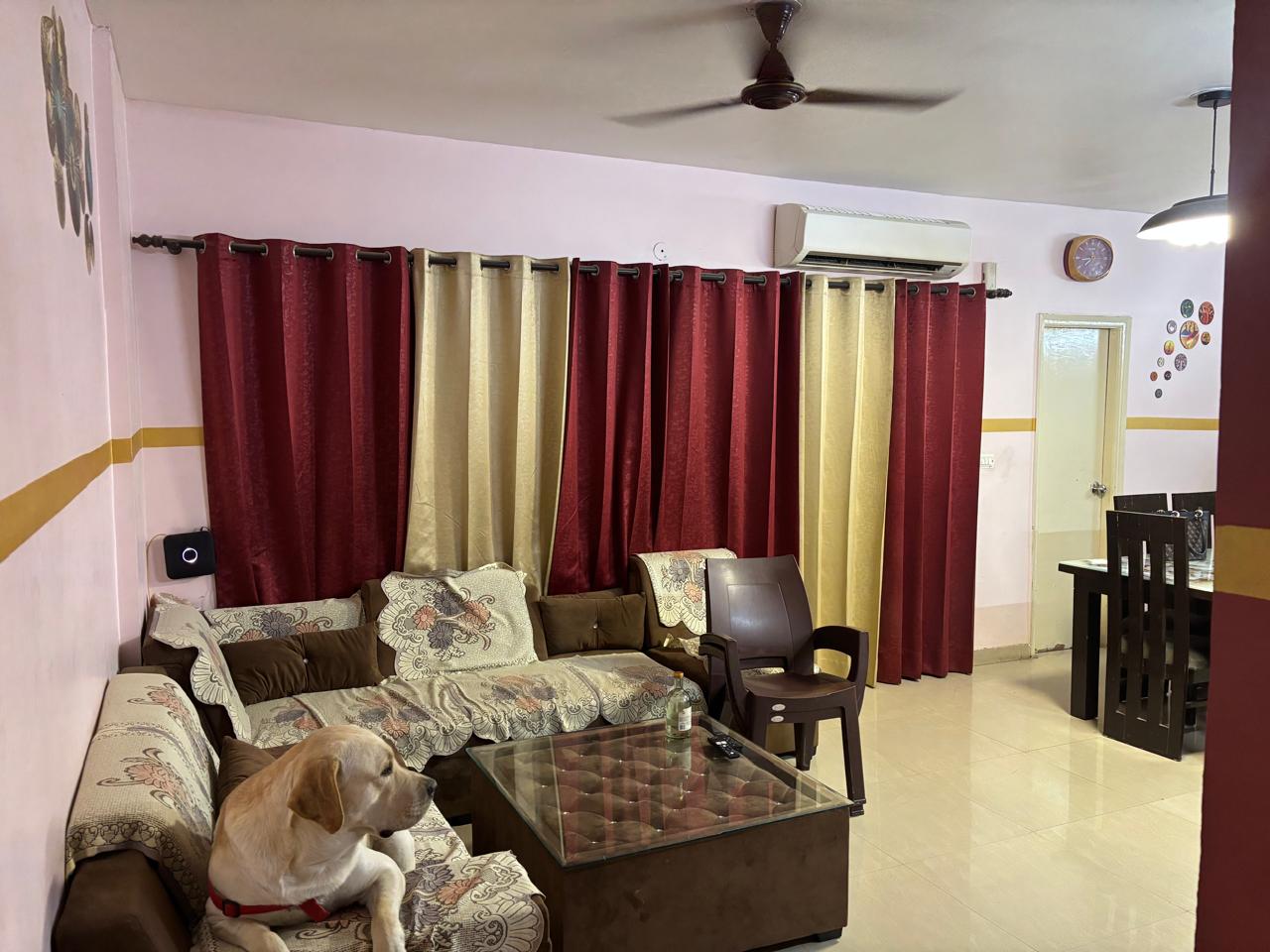
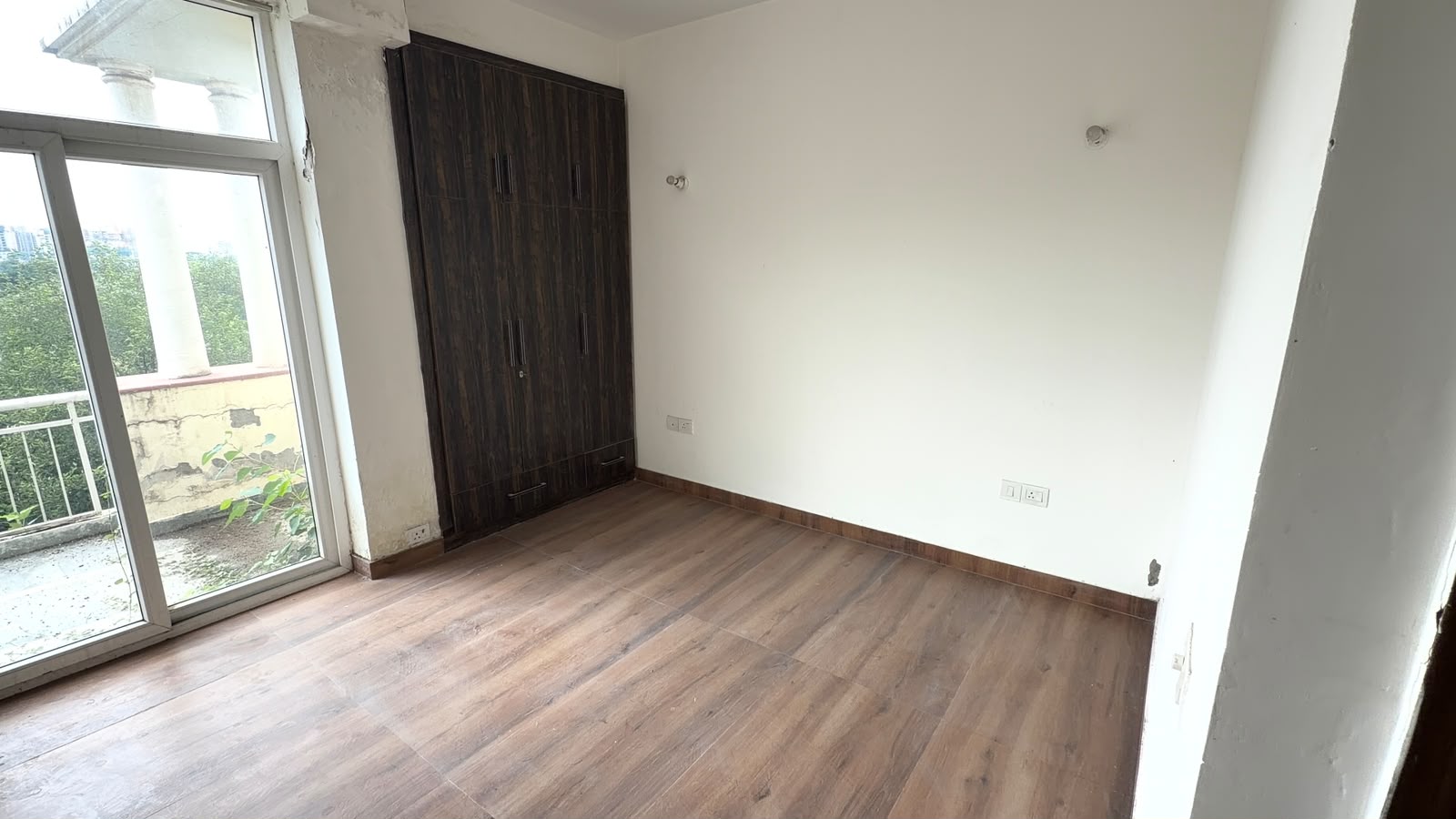
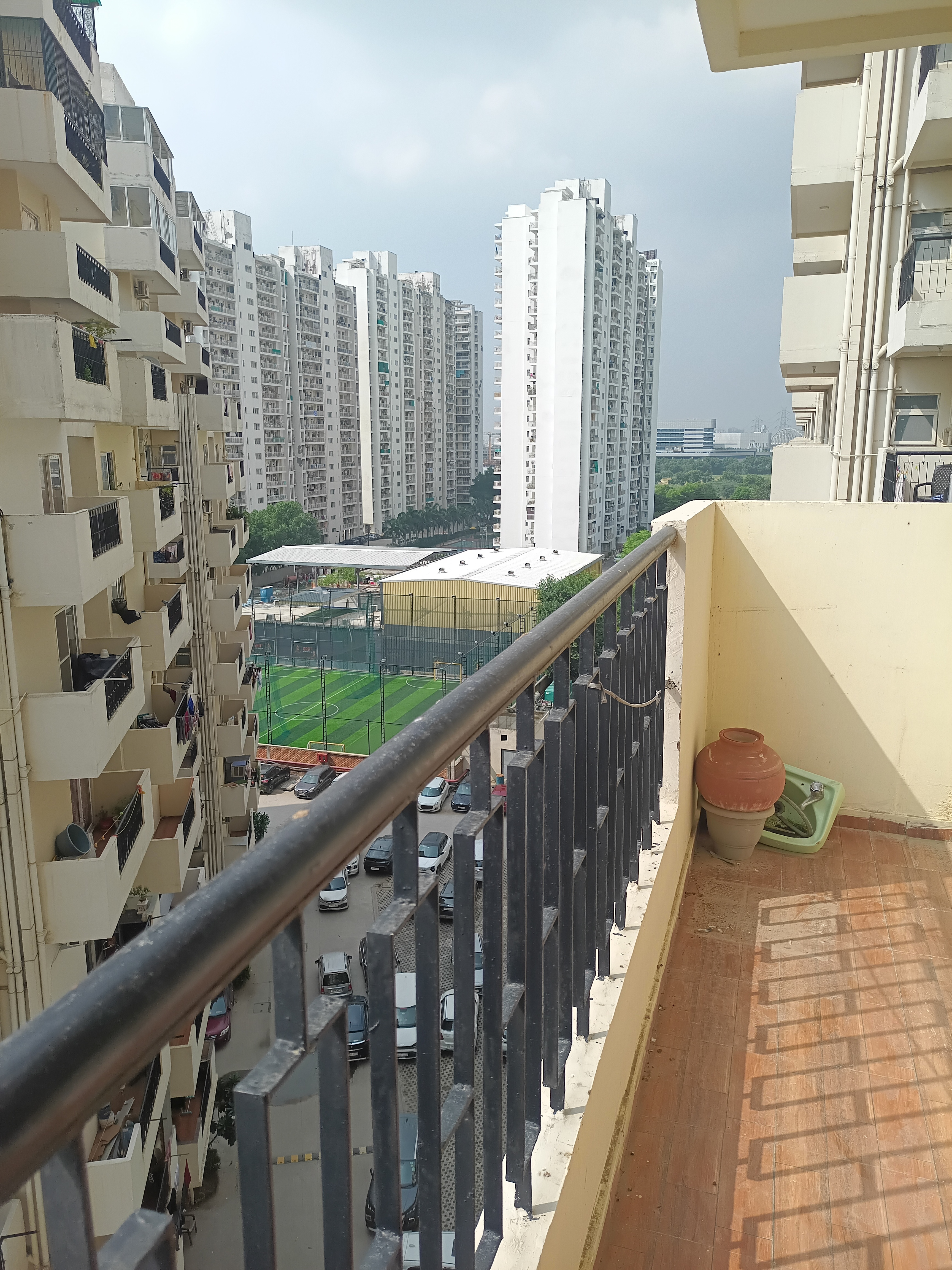
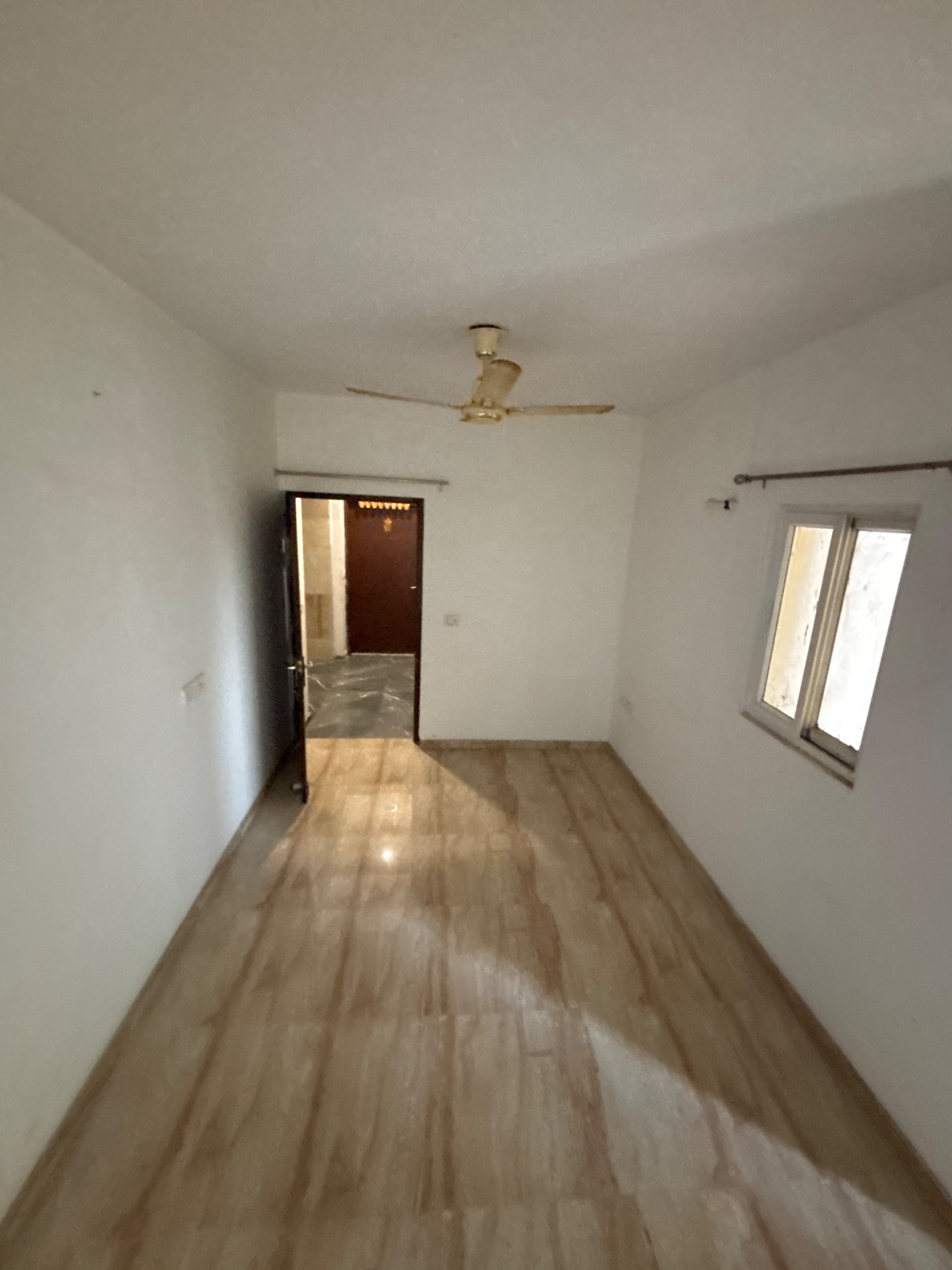
Apartments in New Gurgaon are organised by township rather than by road, which is the single most important thing to understand before comparing them. Large developers were licensed whole clusters of sectors and built self-contained estates with their own internal roads, retail, schools and services. Buying here means choosing an estate first and a flat second, because the estate determines most of what daily life will be like.
Why the township is the unit of choice
On an older corridor you buy a project on a public road and the city provides everything around it. Here a developer was licensed several hundred acres at once, laid the internal road network, brought in the water and power infrastructure, allocated land for schools and retail, and then built residential clusters inside it over many years. The estate you buy into is therefore responsible for a large share of your daily environment, and estates differ enormously in how much of that they have actually delivered.
That is why two apartments in New Gurgaon at the same price in adjoining sectors can offer very different lives, and why the comparison has to start one level above the building.
What separates one estate from another
These are the differences that show up every day and that a brochure will not put side by side.
| What to compare | Strong estate | Weak estate |
|---|---|---|
| Internal roads and lighting | Built, lit and maintained across the estate | Laid only where towers were sold |
| Retail and daily needs | Operating shops within the estate | Land marked for retail, nothing built |
| Schools | Open and running inside or adjoining | Planned; children travel out |
| Water and sewerage | Estate network connected to the municipal system | Tankers and a treatment plant funded by residents |
| Remaining construction | Mostly complete; few active sites | Active sites among occupied clusters for years |
| Occupancy | Most towers lived in | Sold but sparsely occupied |
Best for: Choose the estate that is furthest along, then choose within it
Where this part of the city actually sits
It runs along and behind the national highway on the western side of Gurugram, with the industrial belt at Manesar beyond it and the older business districts back toward the city. The consequences are practical: employment for many residents here is industrial and manufacturing rather than corporate office, the highway is the main artery and its junctions and toll points shape the commute, and access improves the closer a sector sits to a highway interchange. Anyone buying apartments in New Gurgaon for a commute into the corporate belt should drive it at their real hour before deciding.
How this compares with the other new corridors
Against the expressway corridor to the north, this part of the city offers more space for the money, a genuine affordable-housing pipeline and township infrastructure, and gives up airport-side access and proximity to west Delhi. Against the mature corridors it offers newer buildings and lower prices and gives up an established environment and a deep rental market. The Gurgaon apartments page sets the corridors side by side, and the Dwarka Expressway page covers the closest alternative. Households wanting the largest format will find it compared against an independent house on the 5 BHK apartments in New Gurgaon page.
How should you choose among apartments in New Gurgaon?
Pick the estate before the flat. Drive its internal roads, look at whether the retail is trading and the schools are open, ask whether water and sewerage run to the municipal network or to a plant the residents fund, and find out how much construction remains inside it. Then compare projects within that estate on density, delivery record and monthly charge. And drive your actual commute at your actual hour, because the highway junctions rather than the distance decide how long it takes.