


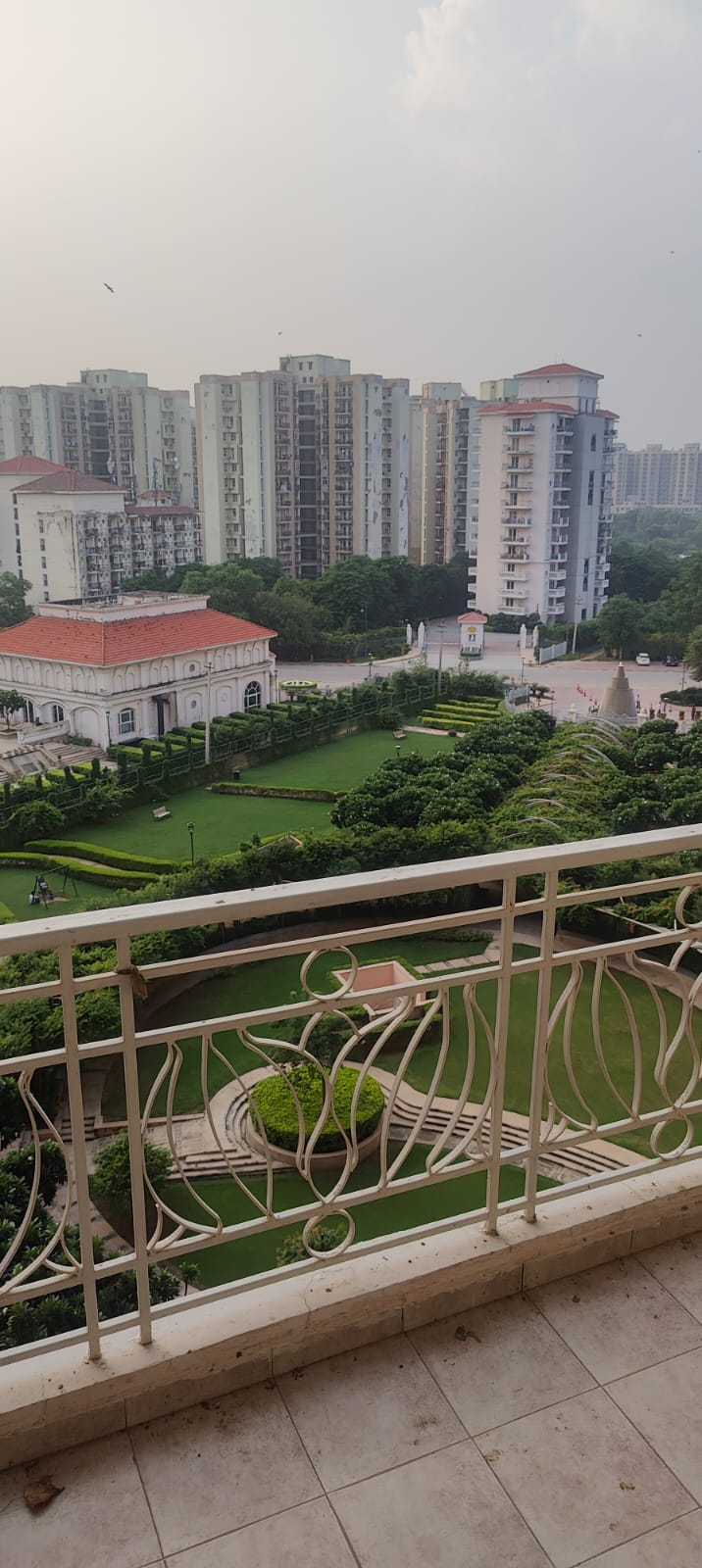
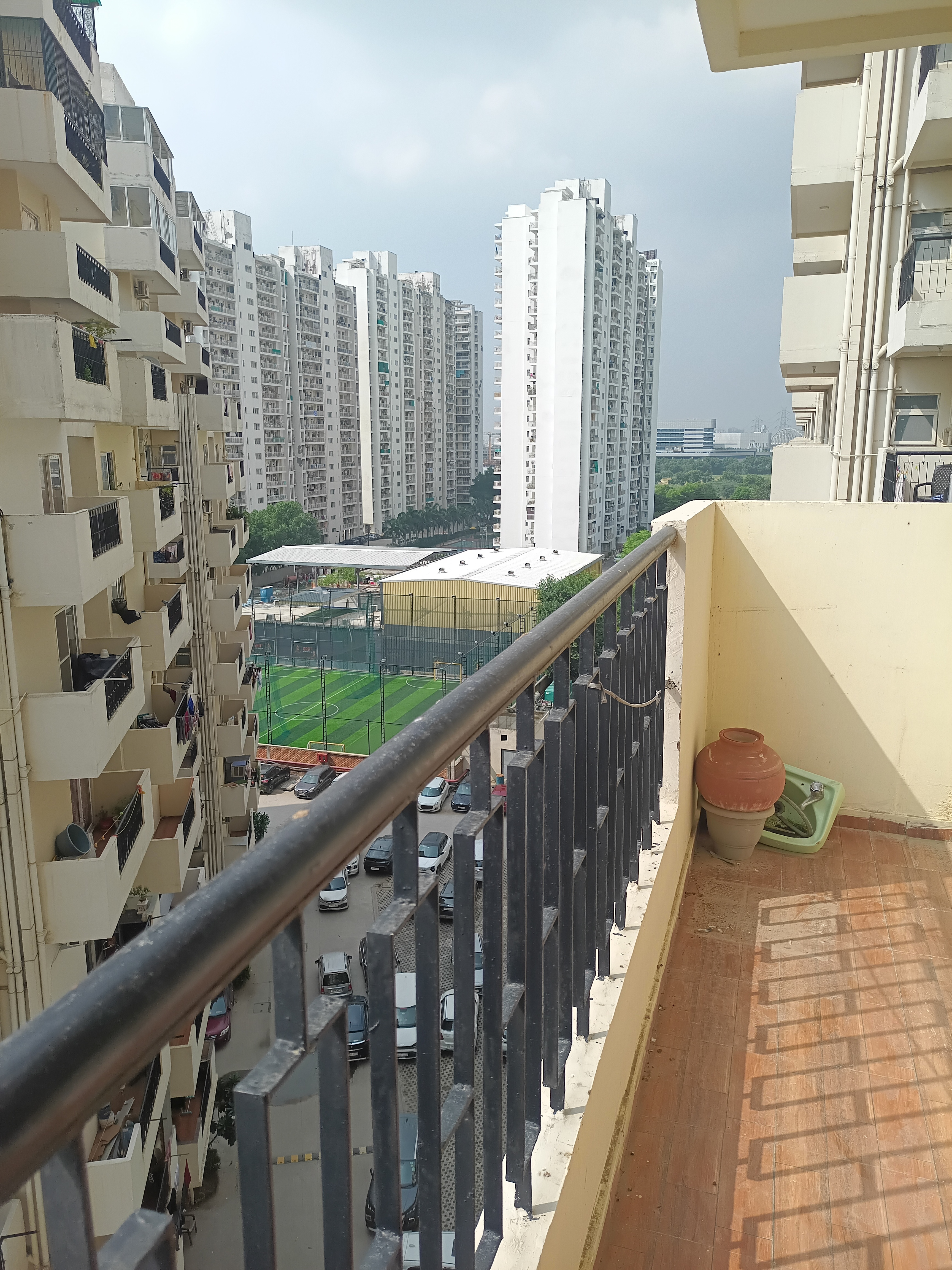
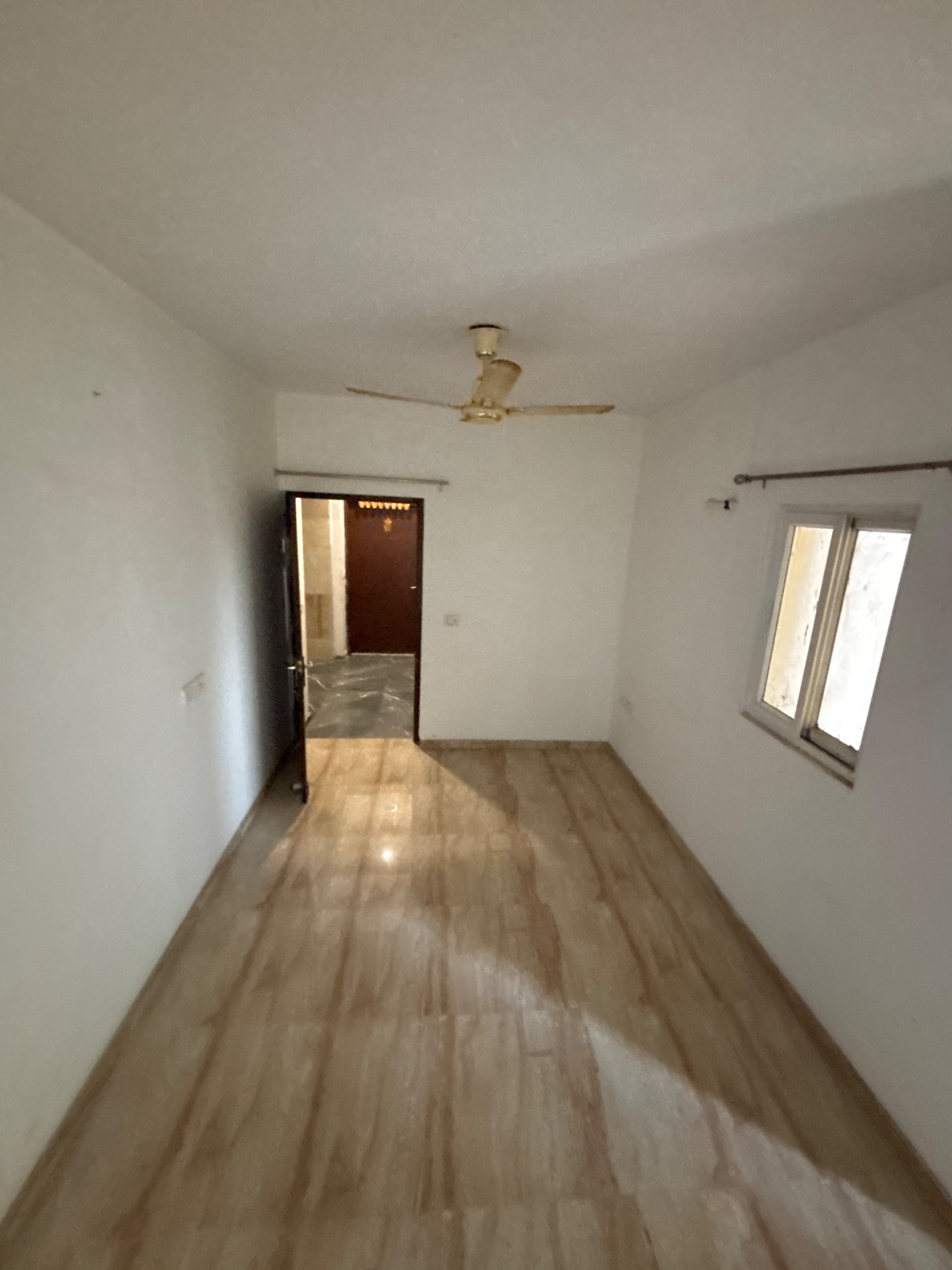
Buying here puts you inside two systems at once, and most disputes come from confusing them. Flats in New Gurgaon sit within a building that has its own maintenance regime, and inside a township that has an estate-level one covering roads, main water lines, sewerage, street lighting and common security. What each layer owes you, and what each charges for it, should be established in writing before you buy.
Two layers of service behind flats in New Gurgaon
Your building charge covers the lifts, the tower's common areas, its security, its pumps and generators and the campus around it. The estate charge — sometimes a separate line, sometimes folded in — covers the internal road network, main water supply and sewerage, street lighting, the estate's security and often a shared treatment plant. In some townships the estate services have been handed to the municipal body; in others the developer still runs them and charges residents for it.
Which of those applies to a specific project decides both what you pay each month and who you complain to when something fails, so it is a question worth asking about any of the flats in New Gurgaon you are comparing.
What to establish about each layer
Ask for these in writing, project by project, rather than assuming the township answer covers your building.
| Question | Building layer | Estate layer |
|---|---|---|
| Who runs it | Developer facility team or owners' association | Developer estate team, or the municipal body |
| What it charges for | Lifts, tower security, pumps, campus upkeep | Roads, mains, sewerage, lighting, estate security |
| How it is billed | On area, monthly | Separate line, or folded into the building charge |
| Water source | Building tank and pumps | Municipal mains, borewells or tankers |
| Sewage | Building lines | Municipal network or an estate treatment plant |
| Who you escalate to | Association or facility manager | Estate office, or the municipal body |
Best for: Buyers who get both answers in writing before paying an advance
The formats sold here
Three different things are sold as flats in New Gurgaon. Group housing apartments give you a unit with an undivided share in the land and both layers of charge. Independent floors in the plotted colonies give you a floor with a share of the plot, a very light monthly cost and usually only the estate or colony-level services. Policy units are group housing sold at a state-fixed rate with a capped maintenance charge for a defined period. All three are described as flats in New Gurgaon, and the monthly costs differ by a wide margin, which is often the deciding factor at this end of the market, as the budget flats page sets out.
Handover, which matters more in a township
Ownership of flats in New Gurgaon changes hands twice over. A building eventually passes from the developer to an owners' association, and the estate eventually passes to the municipal body. Both transitions can be slow, and while they are pending the developer sets the charges and the standard. Ask what condition the common areas must be in for handover, whether a sinking fund exists, what happens to the interest-free maintenance security, and whether any dispute is already running. Where the estate has already been taken over by the municipal body, the roads and mains become a public responsibility, which usually lowers the monthly cost.
What should you check before buying flats in New Gurgaon?
Get both service layers in writing: who runs the building, who runs the estate, what each charges and what each covers. Establish the water source and whether sewage goes to the municipal network or to a plant residents fund. Ask when the building passes to an owners' association and when the estate passes to the municipal body, and whether any dispute is pending on either. Then compare the total monthly figure between projects, because at this end of the market it decides affordability more than the price does.