


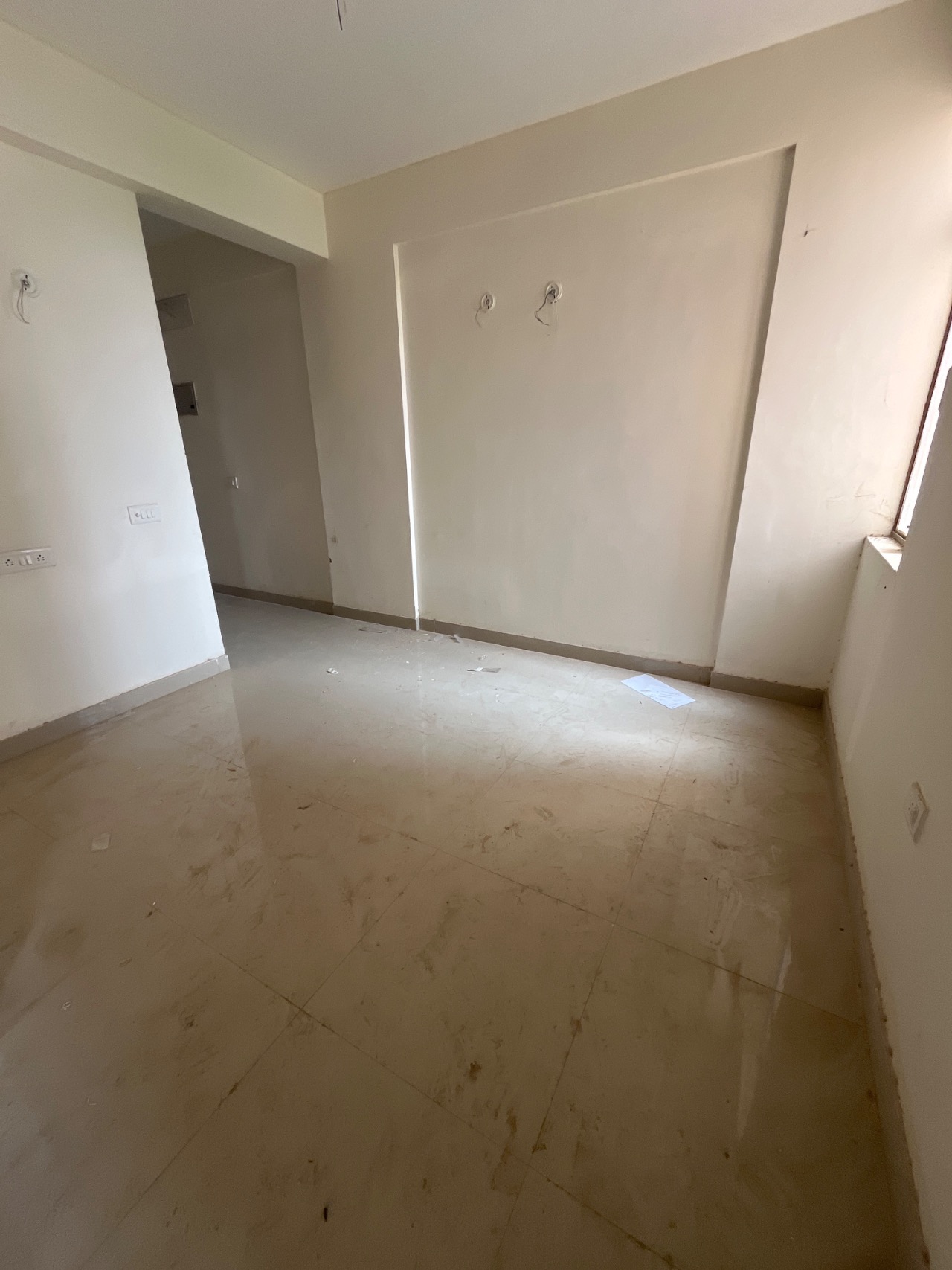
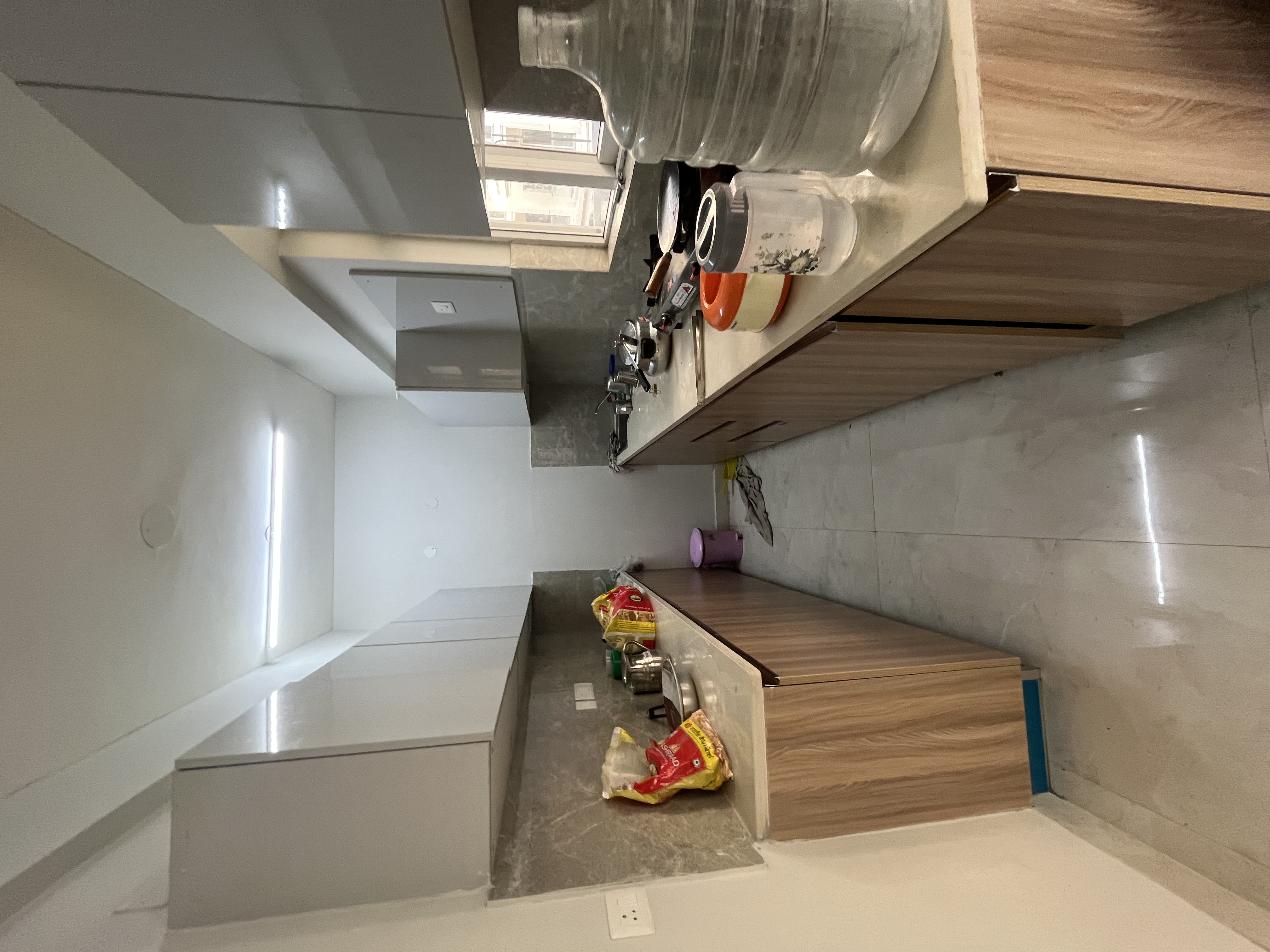
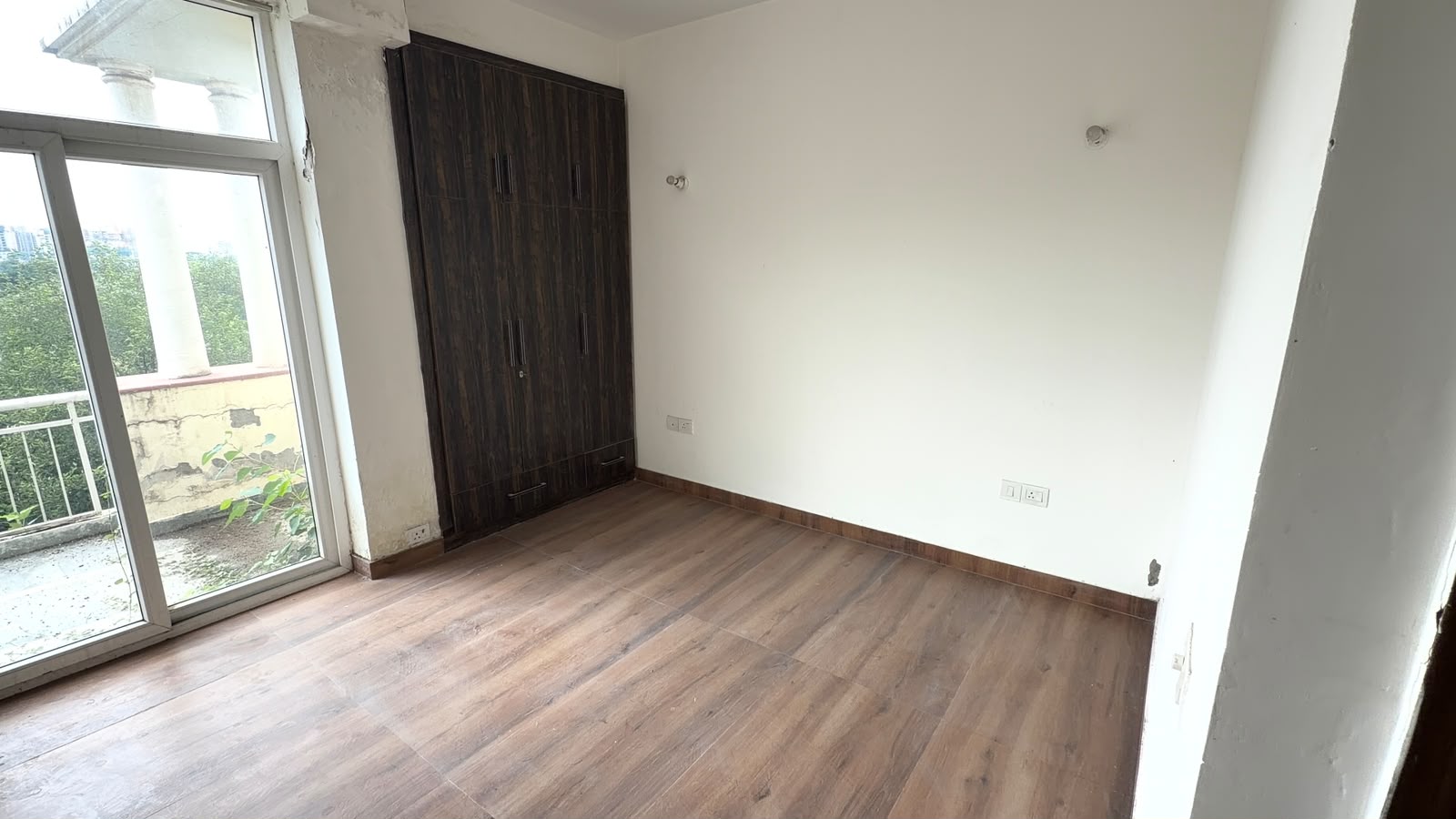
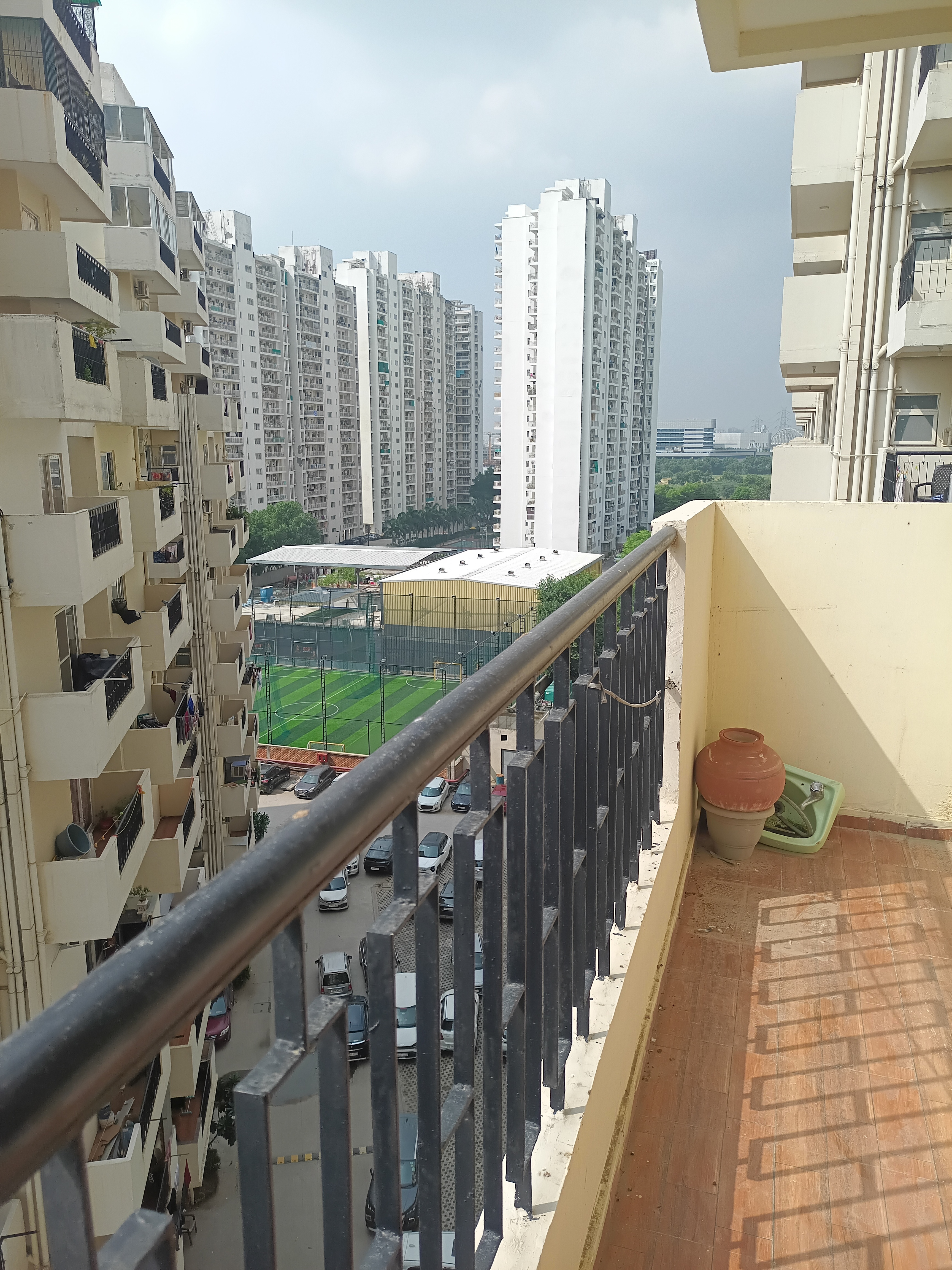
The investment argument for this corridor is a forecast: that the sectors fill in, the services complete and the surroundings mature. That may well happen, and it has not happened yet. Investment property in Dwarka Expressway therefore behaves differently from an asset on a finished corridor — the rental market is shallower, the holding costs are higher, and the exit depends on conditions that do not exist today.
What does an investor on this corridor actually own?
You are buying a position ahead of infrastructure and occupancy. If both arrive, the value of that position improves; if they arrive slowly, you hold a flat with a thin tenant pool and a full set of running costs in the meantime. The honest way to hold investment property in Dwarka Expressway is with a long horizon and the capacity to carry it through a period when it may not be let.
What this corridor does not offer today is what a mature corridor offers: tenants already competing for flats and a resale market with frequent comparables.
What decides the outcome for investment property in Dwarka Expressway
Each of these should be assessed for the specific address rather than for the corridor.
| Factor | What to assess | Why |
|---|---|---|
| Rental depth in that sector | Occupied homes nearby and who works within reach | Tenants follow employment and services, not sanctioned plans |
| Holding cost | Maintenance, tanker water, backup, property tax, vacancy | These run whether or not the flat is let |
| Liquidity | Recent transactions in that project, and lender comfort | A thin trading history means selling on the buyer's terms |
| Format | Two- and three-bedroom flats in occupied projects | Deepest demand both to let and to sell |
| Stage | Completed and occupied, rather than unbuilt | An unlet unbuilt flat earns nothing while costing you |
Best for: Long-horizon buyers who can carry a vacant flat
Holding costs, which are higher than they look
The running cost of investment property in Dwarka Expressway is the part most often understated. Maintenance is levied on area whether or not the flat is occupied. Where the sector runs on tankers, water is a monthly cost. Diesel backup adds to it. There is property tax, loan interest if financed, letting brokerage on each tenancy, and refurbishment between tenants. On a corridor where vacancy periods can be longer than on a mature one, those costs decide the net far more than the headline rent does, and they should be modelled with a chartered accountant rather than estimated.
The exit, which is the part most often ignored
Selling requires a buyer, a valuer and usually a lender, and all three are easier where the project has a trading history. In a project with few recorded transactions, the price is whatever the one available buyer will pay. That argues for buying in completed, occupied projects with visible resale activity rather than in the newest launch, even though the launch costs less — a point the new launch page sets out from the buying side. Buyers who need income and a working exit today should compare the mature corridors, as the Gurgaon investment page describes.
Who should buy investment property in Dwarka Expressway?
Buy here if your horizon is long, you can carry the flat through periods when it is not let, and you accept that the case rests on infrastructure and occupancy arriving rather than on conditions that exist today. Choose a two- or three-bedroom flat in a completed, occupied project with some resale activity rather than the cheapest unbuilt unit. Model the net after maintenance, water, backup, vacancy and tax with a chartered accountant. If you need income and a reliable exit now, a mature corridor is the honest answer.