


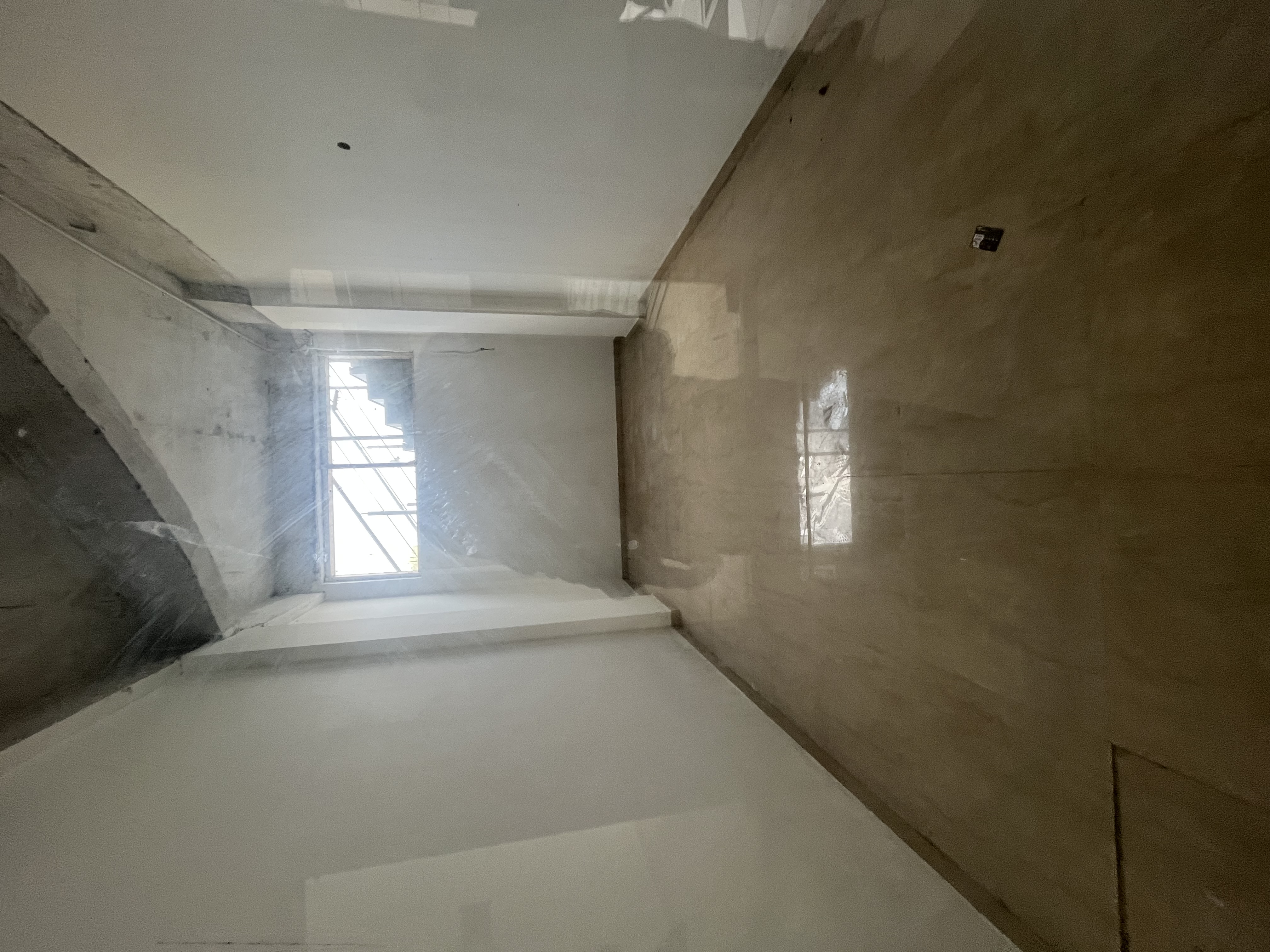
Commercial property in Dwarka Expressway is not one asset class. It covers high-street retail below housing, shop-cum-office plots on sector roads, small strata offices in commercial towers, and pre-leased units sold with a tenant already in place. They differ in who occupies them, how long they take to let, and how easily they sell again, and buyers routinely price them as if they were interchangeable.
What drives commercial demand here
Residential occupancy came to this corridor before shops and offices did, which is the opposite of the older business districts. That creates genuine local demand for daily-needs retail, food, clinics, salons, tuition and small professional offices serving the households already living here. It does not, by itself, create demand for large corporate office space, which follows employers rather than residents and concentrates in established business districts.
So the sound cases for commercial property in Dwarka Expressway rest on serving the resident population, and the weaker ones rest on the corridor becoming an office destination on a timetable nobody can promise.
Four kinds of commercial property in Dwarka Expressway
Each has a different tenant, a different letting period and a different exit.
| Product | Who occupies it | Main risk |
|---|---|---|
| High-street retail below housing | Daily-needs shops, food, clinics, services | Depends on the footfall of that specific block |
| Shop-cum-office plot | Owner-users and small businesses over several floors | Large ticket; you manage the building yourself |
| Small strata office | Professionals and small firms | Thin resale market; service charge runs regardless |
| Pre-leased unit with a tenant | Whoever the existing lease names | You are buying the lease as much as the property |
| Retail in a scheme still under construction | Nobody yet | Footfall is a projection, not an observation |
Best for: Serving residents who already live here → retail; long horizon → a shop-cum-office plot
The checks that are specific to commercial
Diligence on commercial property in Dwarka Expressway differs from residential in four places. Confirm the licence and the sanctioned plan for the commercial component, since a unit built beyond sanction cannot be regularised easily and lenders decline it. Confirm the completion or occupation certificate before paying for a completed unit. On a pre-leased purchase, read the lease itself — the remaining term, the lock-in, the escalation, who pays the maintenance and what happens on early exit — because that document, not the building, is what you are buying. On retail, walk the block at the hours the tenant would trade, not at the hour the broker suggests.
How to judge footfall on a corridor still filling
Retail commercial property in Dwarka Expressway lives or dies on footfall, and the honest measure is the number of occupied homes within walking distance today, not the number of sanctioned units in the sector. Count lit windows in the surrounding towers on a weekday evening, look at whether the existing shops nearby are trading or shuttered, and check how people actually arrive — on foot, or by car needing parking that the block may not have. A unit priced on the sector's eventual population is priced on a forecast, and the investment property page sets out how to think about that horizon.
How should you choose commercial property in Dwarka Expressway?
Match the product to demand that already exists. Daily-needs retail below occupied housing is the soundest case here, and it turns on the footfall of the specific block rather than the sector. A shop-cum-office plot suits an owner-user or a long-horizon buyer who can manage a building. A small strata office suits a professional who will occupy it. A pre-leased unit is a lease purchase, so read the lease before the brochure. In every case confirm the licence, the sanctioned plan and the completion certificate first.