


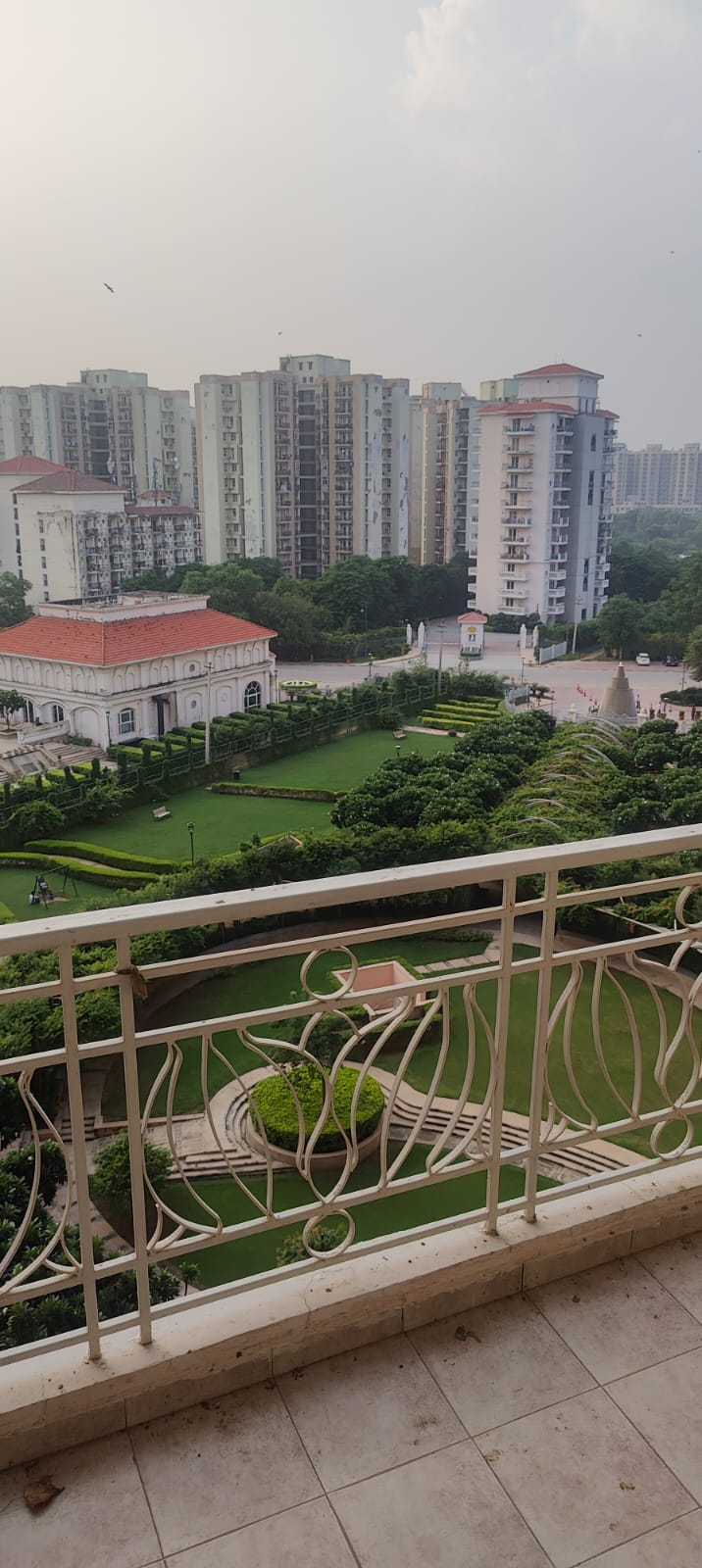
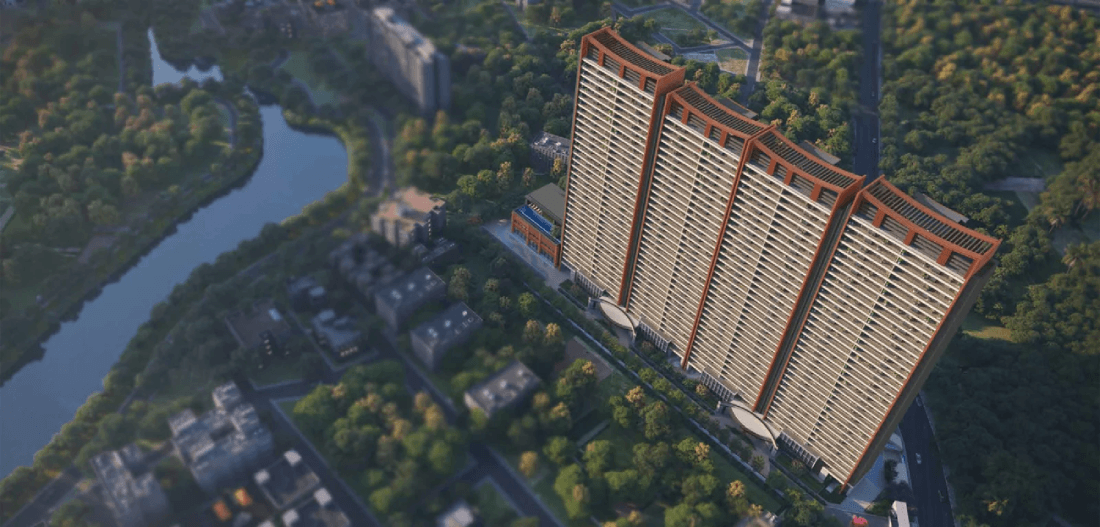
Here is the fact that makes this corridor different: most of what you can buy on it was completed before the Real Estate (Regulation and Development) Act existed. RERA approved projects in Golf Course Road — properly, RERA-registered ones — are the minority, confined to the handful of newer towers and redevelopments.
Three regimes on one corridor
The RERA approved projects in Golf Course Road, properly registered ones, are those launched after the Act came into force and registered with HRERA Gurugram, with a published plan, a binding completion date and an escrow account — the full framework described on the Gurgaon RERA page. An older condominium colony predates all of that: it was completed under the licensing regime of its time, and what governs it now is the apartment deed and the association. A builder floor on a plot generally falls below the registration threshold whenever it was built, so the sale agreement is the protection.
Three regimes, three sets of documents, three different answers to "what happens if something is wrong". The corridor mixes them within a few hundred metres.
| What you are buying | Regime | Where the protection comes from | Who you complain to |
|---|---|---|---|
| Newer registered project | RERA | Registration, escrow, binding completion date, BBA | HRERA Gurugram |
| Older condominium flat | Pre-RERA; Haryana Apartment Ownership Act | Apartment deed, association bye-laws, sale documents | The association; civil courts |
| Builder floor on a plot | Below threshold | Sale agreement; sanctioned plan; plot title | Civil courts |
| Resale of a registered project unit | RERA applies to the project, not your resale | Chain of title, developer transfer, sale deed | HRERA for project issues; civil for the sale |
Best for: Establish which of the four you are in before you rely on any protection
What registration still does for you here
Where one of the RERA approved projects in Golf Course Road is genuinely registered, the record is worth reading exactly as it would be anywhere: the registration number matched against the marketing, the completion date, the tower and unit count against the sanctioned plan, the promoter's other projects and their status, the complaints, and the quarterly progress filings. Because so few projects here are new, the promoter's record is often the more informative half — a developer building a small redevelopment on this corridor usually has a longer history elsewhere in the city that the portal will show you.
What protects you in the older stock
For older stock that predates the RERA approved projects in Golf Course Road, the equivalent diligence is different but not lighter. The chain of title back to the original allotment; the apartment deed and what it defines as yours; the association's bye-laws, audited accounts, maintenance rate and arrears; the building's occupation approvals of its time; and confirmation that any alterations to the unit were approved. That package does the job the registration record does on a newer project — it tells you what you are buying and how it has been run — and no listing will hand it to you unasked.
The mistake to avoid
The common error when searching RERA approved projects in Golf Course Road is assuming that because a well-known developer's name is on a building, the building is registered and the Act applies. It usually does not, because the building predates the Act. That does not make it a worse purchase — some of the best homes in Gurugram are in exactly this stock — but it means the questions you ask and the documents you collect must match the ownership regime the property actually sits in. Ask, for any specific building: is there a registration number, and if not, when was this completed?
How should you use registration on this corridor?
For the RERA approved projects in Golf Course Road that are genuinely registered, treat the HRERA record as the entry requirement and read the record properly, particularly the promoter's history elsewhere in the city. For an older condominium flat, accept that no registration exists and do the equivalent work: title chain, apartment deed, association accounts and approvals. For a builder floor, read the sale agreement and the sanctioned plan, because there is nothing else. And in every case establish which regime you are in before you start asking questions, because asking RERA questions about a pre-RERA building wastes the one conversation where the seller is willing to answer.