


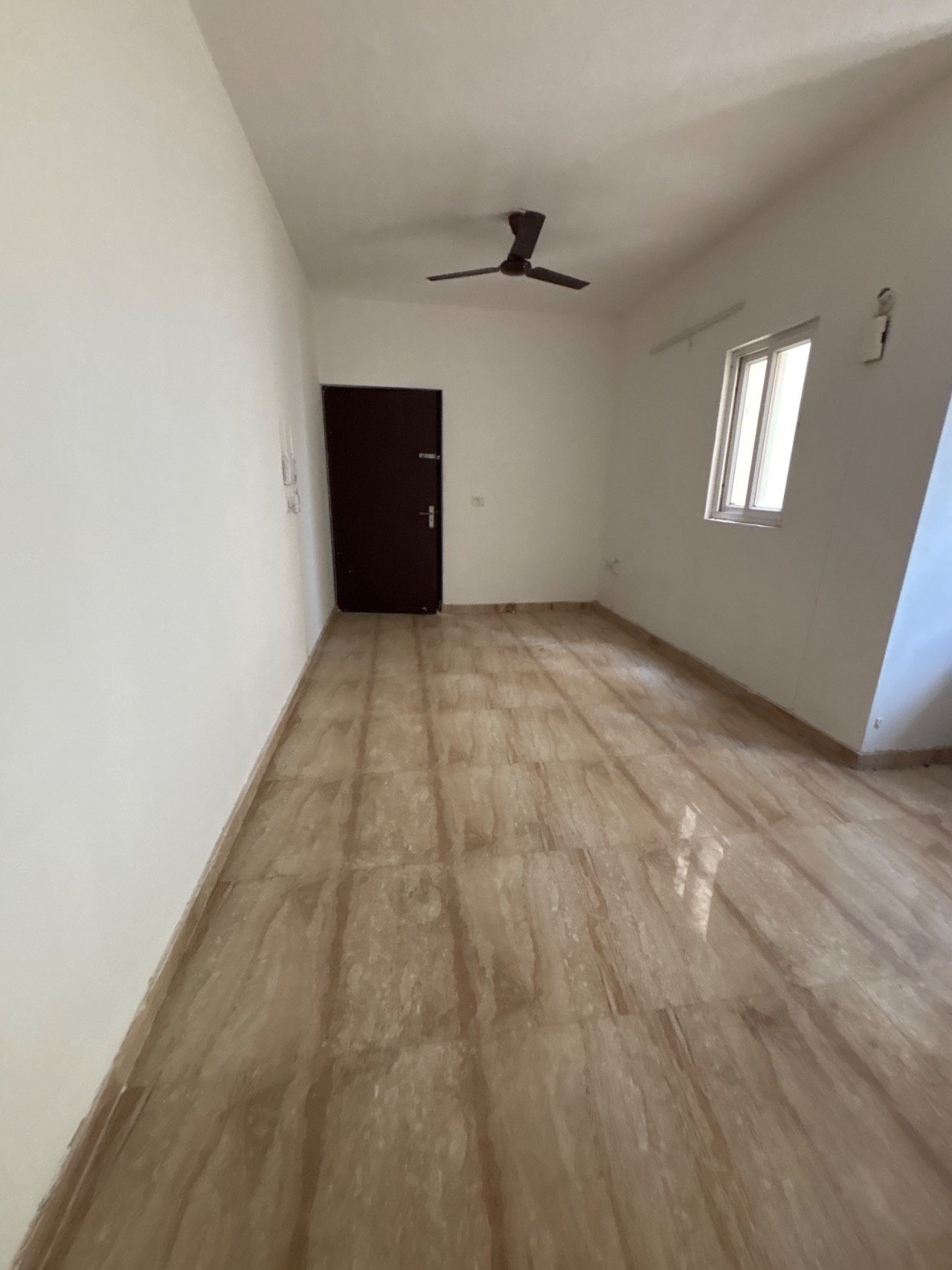
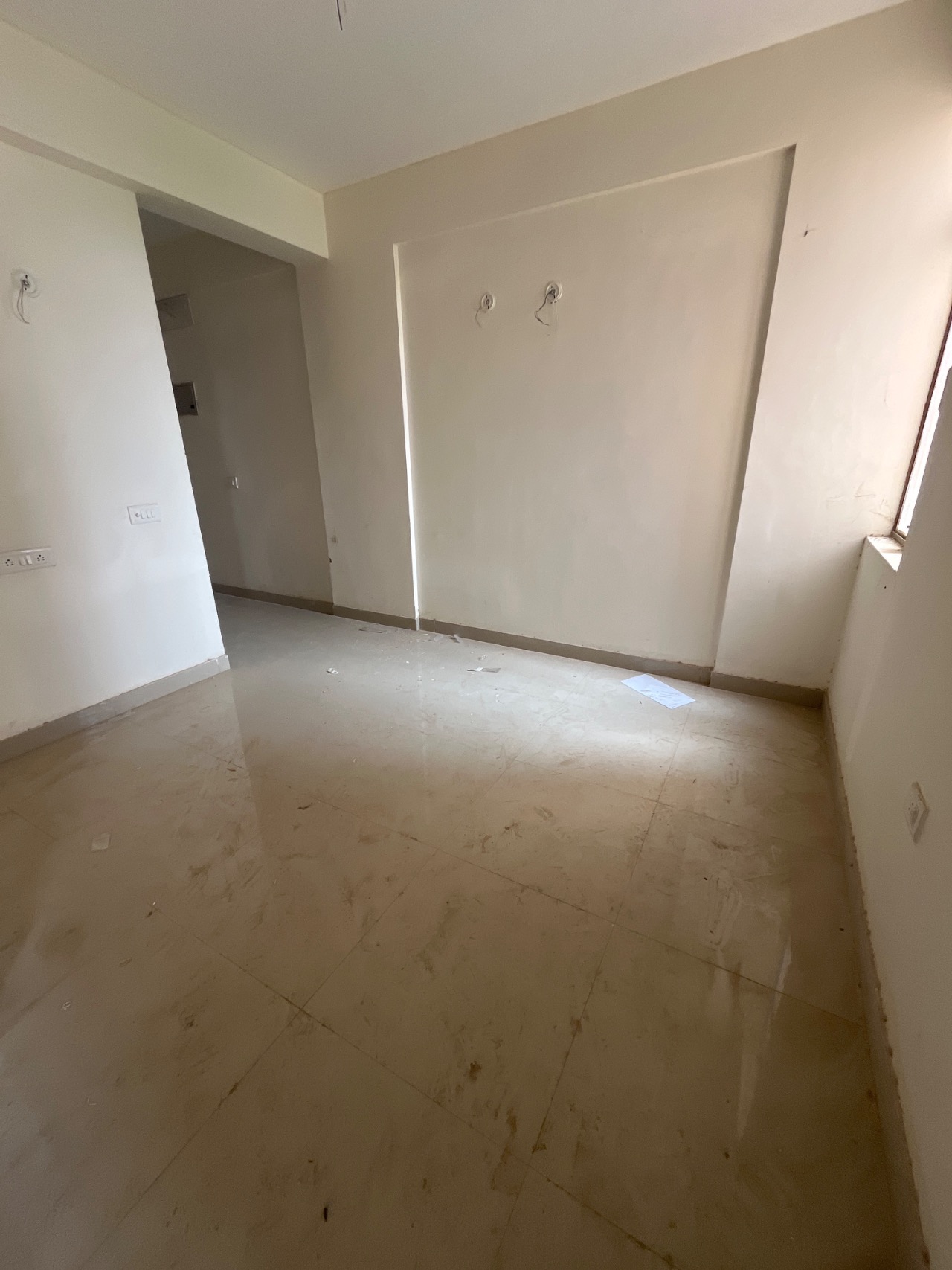
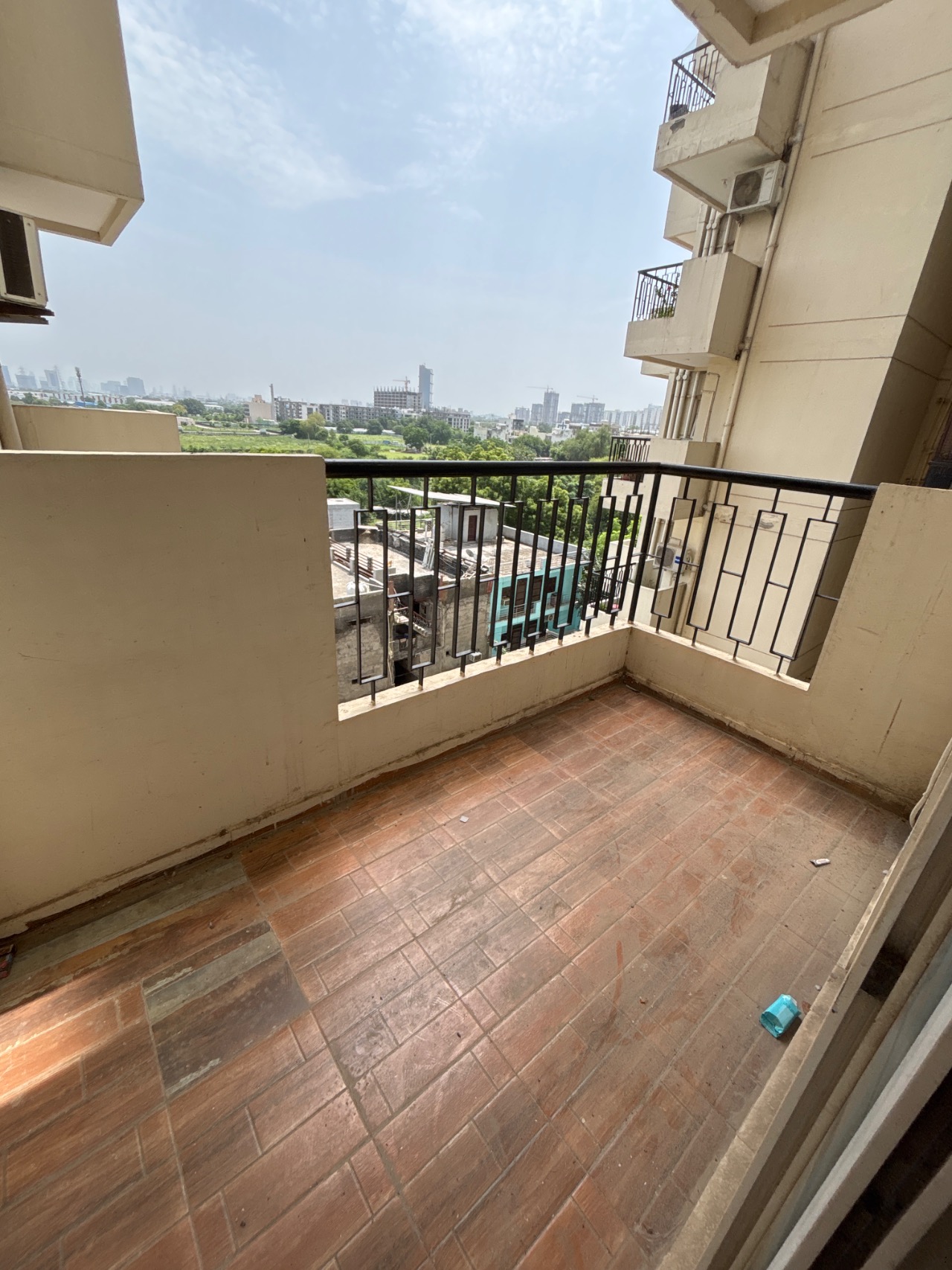
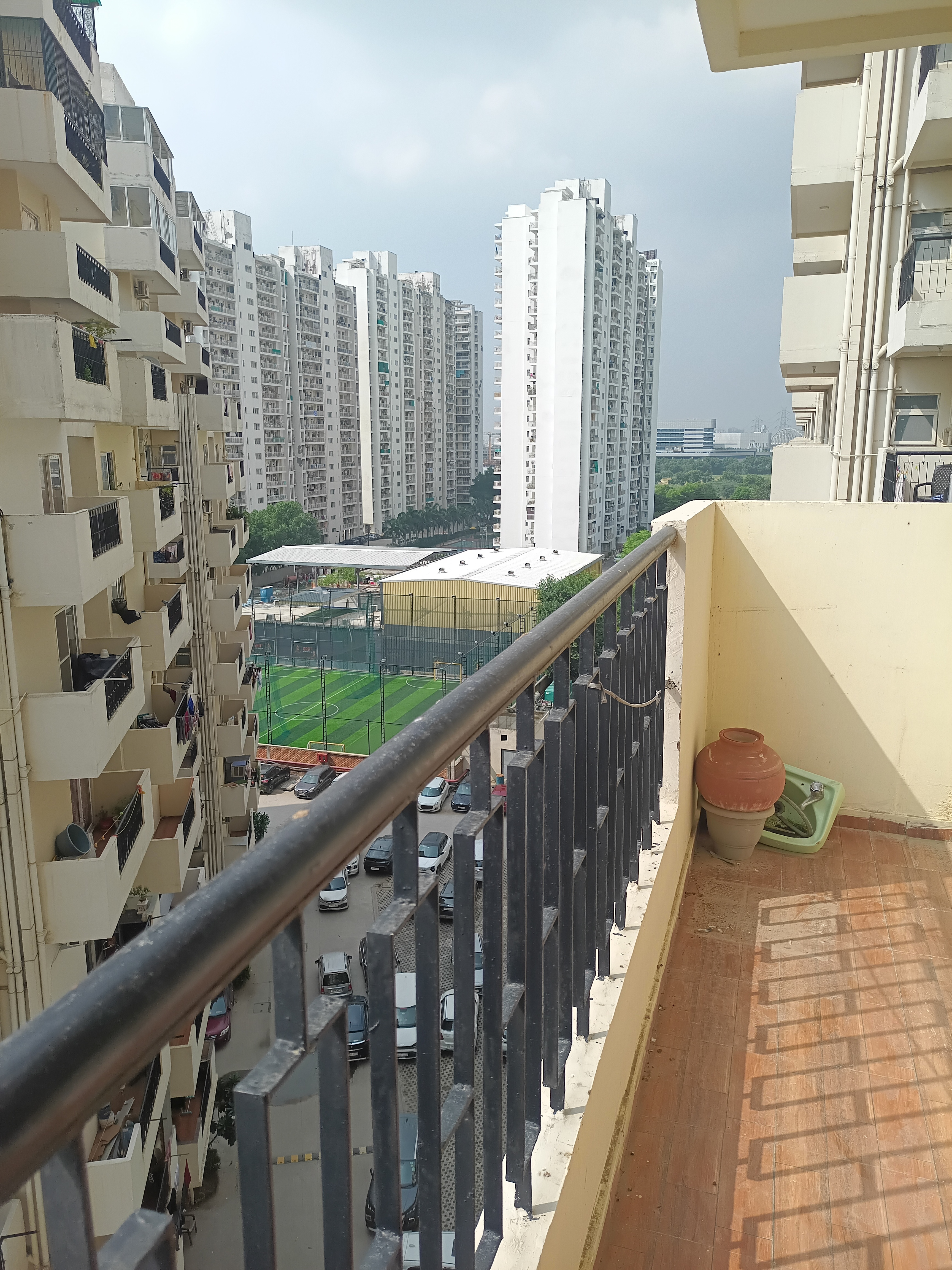
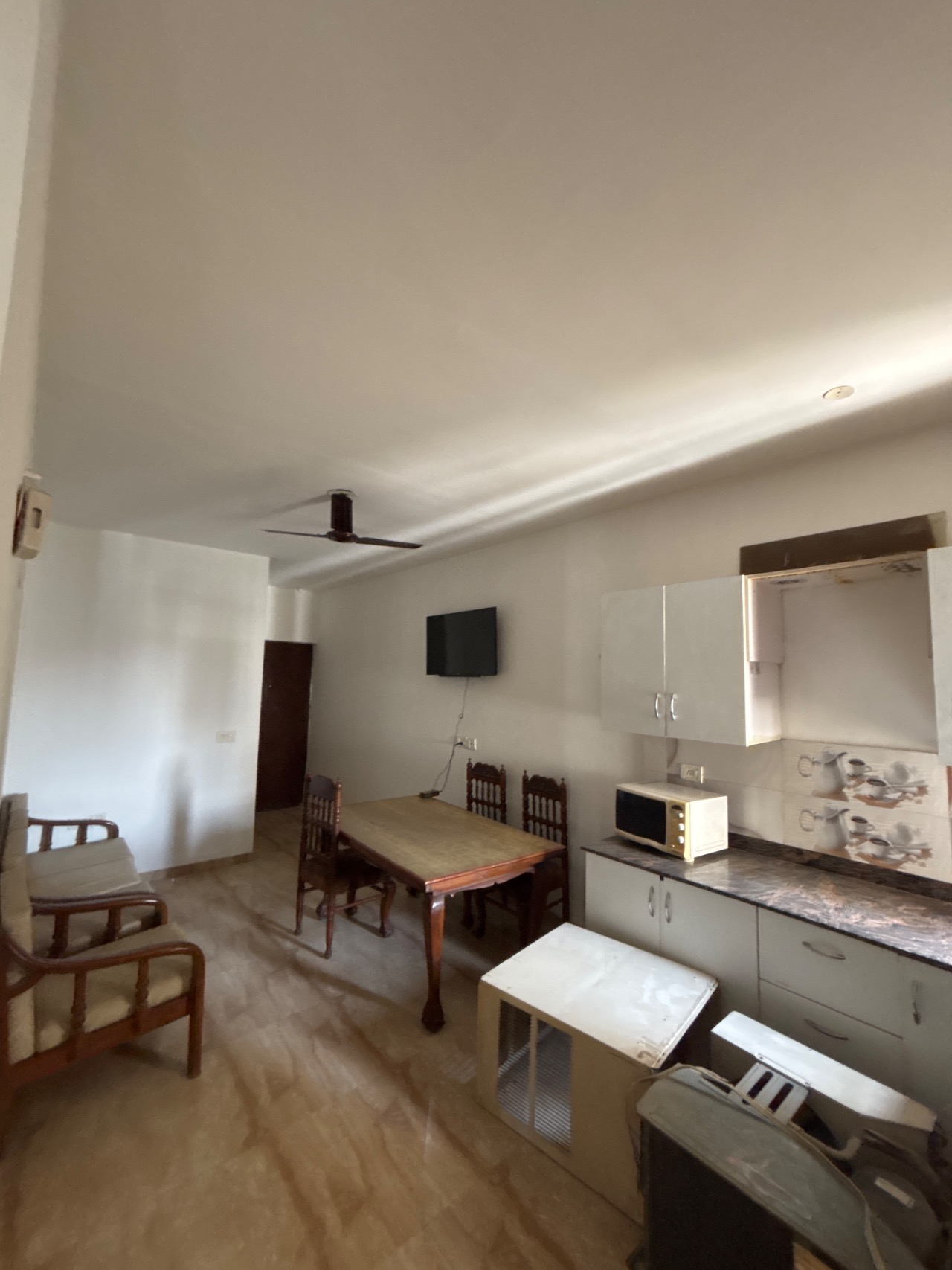
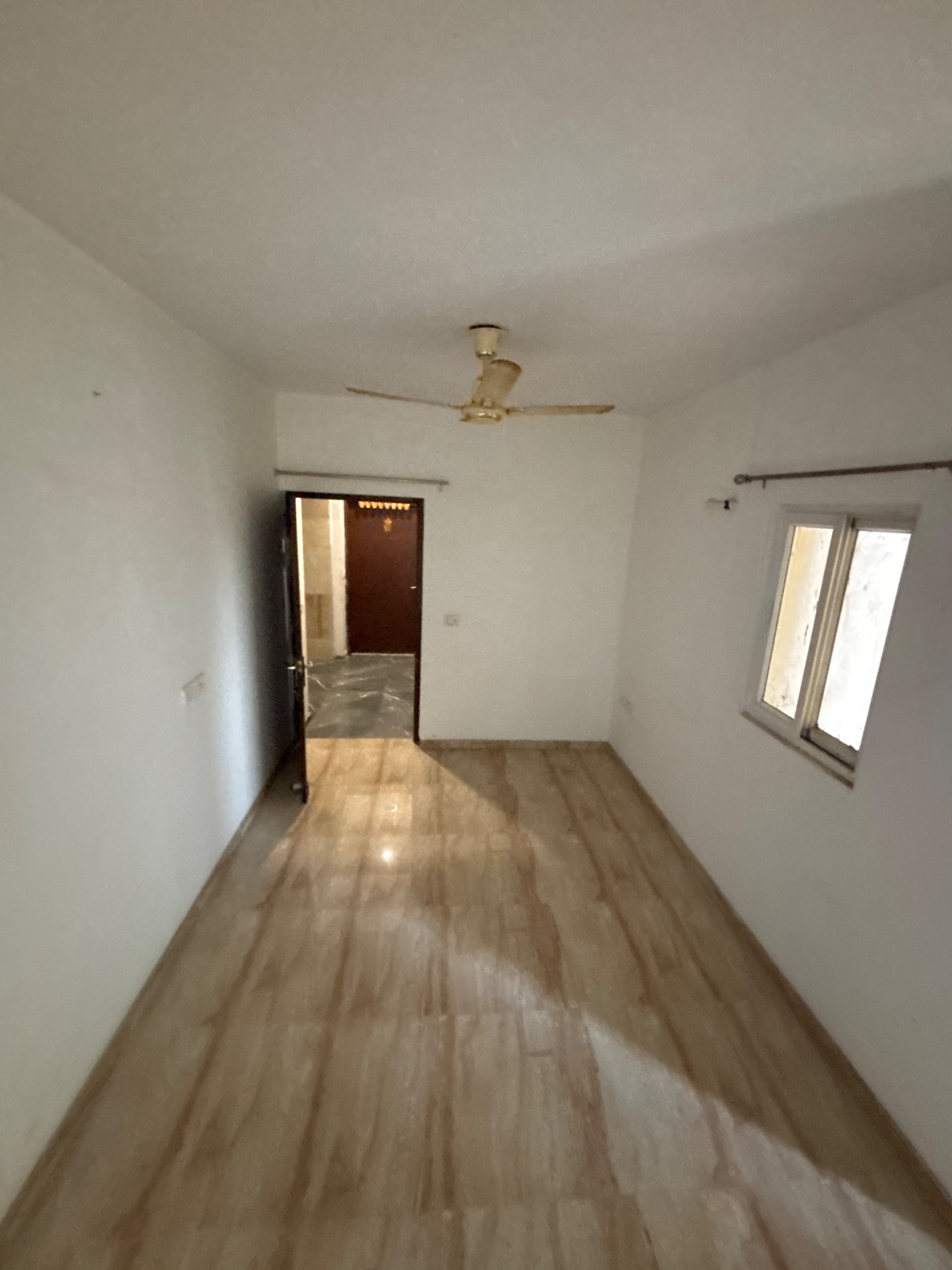
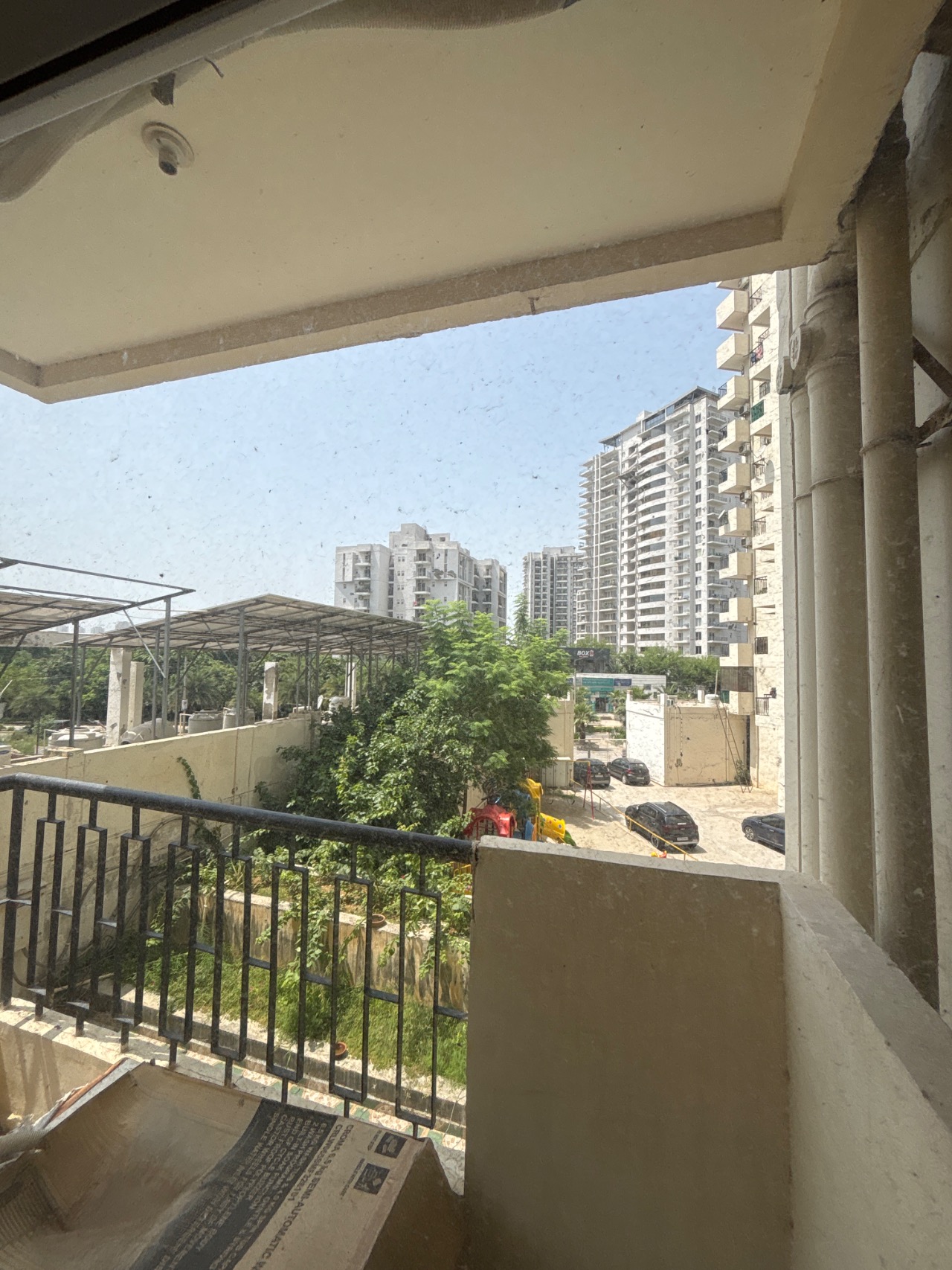
The purchase price is the part buyers compare and the part that matters least to a household budget over a decade. Budget flats in Dwarka Expressway can carry monthly costs that a finished corridor does not impose at all — tanker water, diesel-run backup, travel to everything — and a flat that looks cheaper on the day of purchase can be the more expensive place to live.
What budget flats in Dwarka Expressway cost each month
Start with the maintenance charge, levied on area, and ask whether it is introductory. Add the interest-free maintenance security if it is being collected. Add property tax. Add water where the building is on tankers rather than the municipal supply, which is a monthly line rather than a one-off. Add power backup, which on diesel is billed by consumption and rises with the summer. Add the cost of travel to schools, shopping and work, which on a developing sector is a real and recurring number.
| Cost line | On a finished corridor | On a developing sector here |
|---|---|---|
| Water | Municipal supply, modest charge | Tanker supply, billed monthly, higher in summer |
| Power backup | Grid-reliable, backup rarely runs | Diesel backup runs often; billed on use |
| Maintenance charge | Settled; the association publishes accounts | Often introductory; expect it to rise at full occupancy |
| Daily shopping | Walkable | A drive, and usually a second vehicle |
| School run | Nearby options | Longer, and often a bus fee |
| Sewerage | Municipal network | Private treatment plant, funded by the residents |
Best for: Compare the all-in monthly figure, not the purchase price
Which budget flats survive that arithmetic
The ones in sectors where the basic services have actually arrived. A flat set back from the expressway in a sector with a built internal road, a municipal water connection and shops within a short drive costs a little more to buy and much less to run than an identically priced flat in a sector still on tankers. Among budget flats in Dwarka Expressway this is the distinction that decides the outcome, and it is answerable with three questions to the developer or the association rather than with a general view of the corridor.
The questions that settle it
Four answers separate the budget flats in Dwarka Expressway that work from the ones that do not. Ask whether the building is connected to the municipal water supply or running on tankers, and what the tanker cost has been per month. Ask whether sewage goes to the municipal network or to a plant the residents fund. Ask whether the internal sector road is built and adopted. Ask whether the maintenance charge quoted is introductory and what it is expected to become at full occupancy. Get those four answers in writing for the specific project, because they vary between neighbouring sectors and they decide your monthly cost for years.
When the corridor is the wrong answer
Budget flats in Dwarka Expressway do not suit every household. If the budget is tight enough that a rising maintenance charge or a summer of tanker water would hurt, a finished sector elsewhere at a similar price is the safer home even in an older building. And if you are eligible for a state policy unit, that route caps both the price and the maintenance charge for a defined period, which is a stronger protection than any negotiation — the affordable housing page sets out where those projects are and how allotment works.
How should you choose among budget flats in Dwarka Expressway?
Build the monthly figure before you compare purchase prices. Ask the four questions — municipal water or tankers, municipal sewer or a resident-funded plant, sector road built and adopted, maintenance charge introductory or settled — and get the answers in writing for that project. Prefer a slightly dearer flat in a sector where services have arrived over a cheaper one where they have not. And if you qualify for a policy unit, price that route first, because the cap protects you in a way a negotiation cannot.